Until the past few years it seemed to me that the only time a restaurant would close up shop was when the owner wanted to retire and there was no son to take over. This happened with at least two sushi shops, a gyoza restaurant that had been around since the late 1940s, and more. But these days there seems to be a much greater turnover, perhaps because most of the new restaurants don’t own the space they are in, as is the case with so many of the long-time restaurants.
There seems to be a little bit of everything among the newer places, including tenpura, sushi, jingisukan nabe, and an izakaya that mainly features yakitori. A year ago or so there were also a couple of new oden places, and before that several kakigori shops.
What used to be Mifune, a basic izakaya located across the street from the Ningyōchō 1 chōme post office, now has a new name, Tora Jirō (寅次郎). The menu looks to mainly feature yakitori, much more than the former place did.
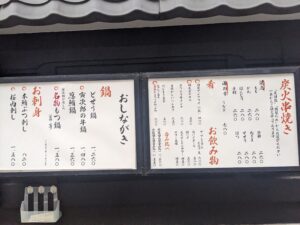
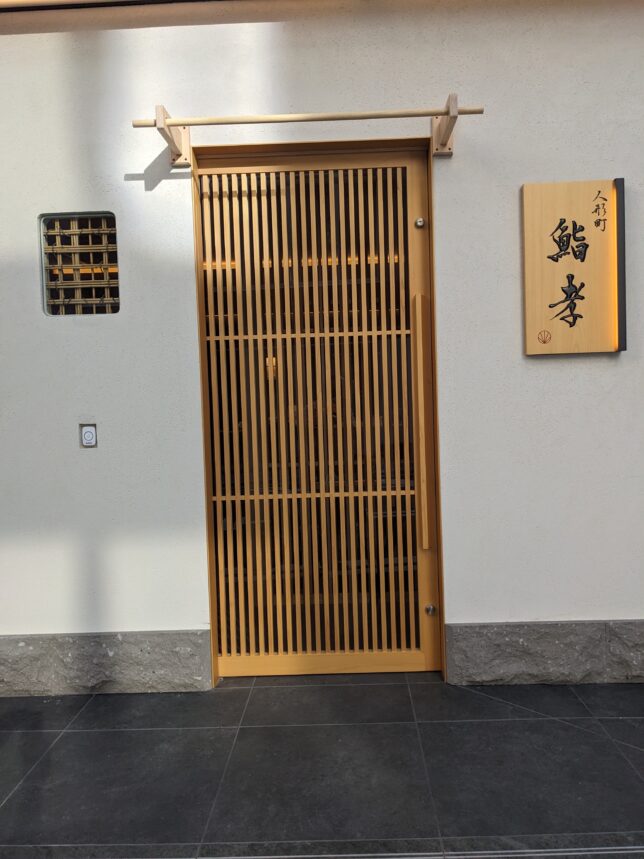
More or less across the street from Tora is a new sushi restaurant, Sushi Kō (鮨香, although it won’t actually be open until October 1. I spoke with the owner who said he owns another sushi place in Ginza, Onodera, I believe he said was the name, adding that the past five years, not including this year, he was the high bidder at the first maguro auction of the new year. Hearing that makes me believe he takes his fish seriously.
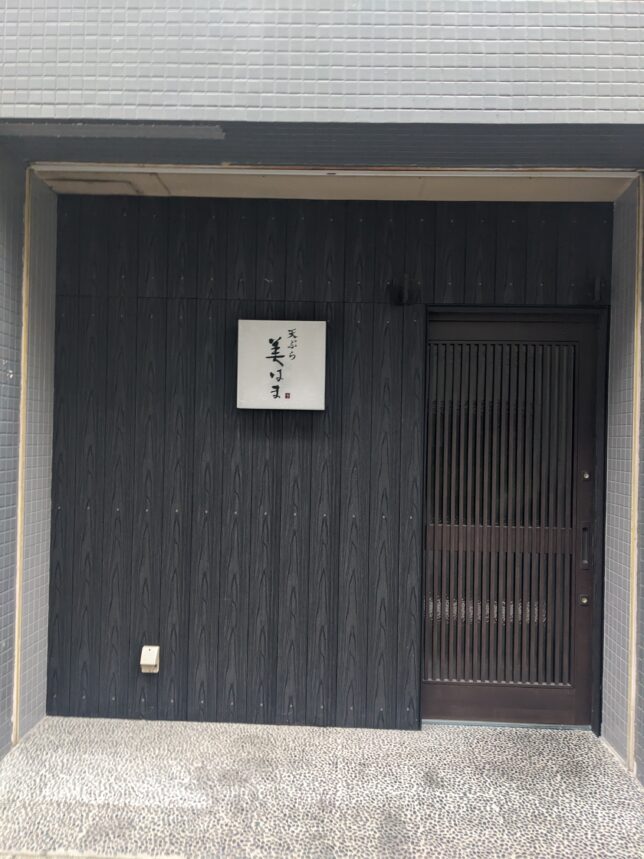
While one new sushi shop is opening, another one recently closed. Technically, it was in Nihonbashi Kakigarachō, and all you can eat tabehōdai all you can eat place, charging only around ¥4,500 per person. I never went in the two years or so it was open. The price just seemed too cheap. I wonder if some of our local sumo wrestlers discovered the place. If so, they could do some serious damage to the restaurants budgeting plans in a hurry. But not all is lost, as the sushi was replaced by a tenpura restaurant, Mihama (美はま).
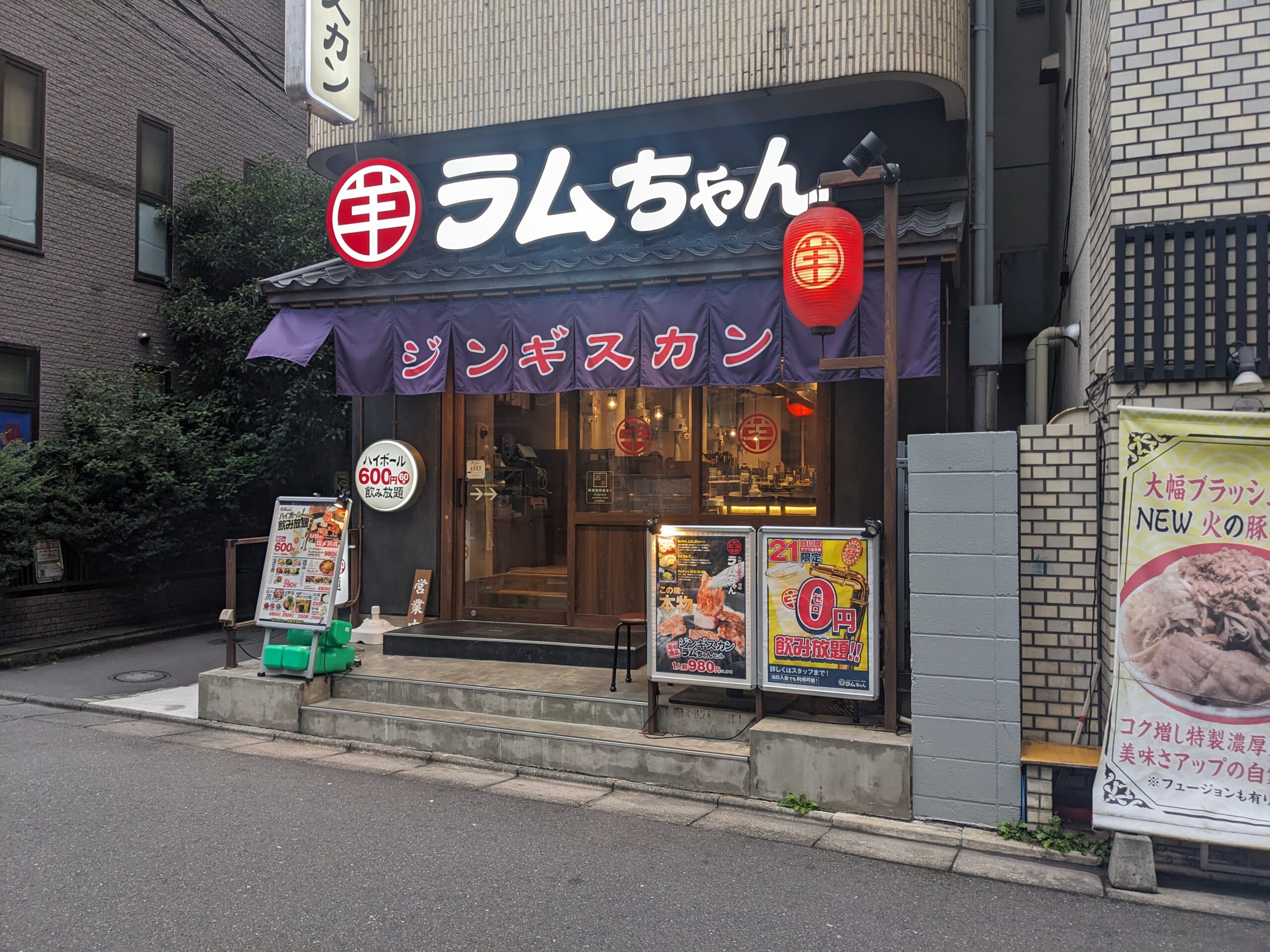
The fourth new place is a jingisukan restaurant called Ramu-chan (ラムちゃん) in Ningyōchō 3 chōme. Jingisukan (ジンギスカン) is mutton grilled on a hot metal plate along with onions, bean sprouts, and often mushrooms and peppers, plus some sort of sauce. Kind of like tepan-yaki, only made with mutton, not beef. Although it seems to have first been made in Hokkaidō, the name, a Japanized spelling of Gengis Khan, is based on mutton, and lamb, being popular meats in Mongolia (mutton is used as the older animals have more fat, which melts on the grill). Of the four new restaurants, this one looks to be by far the least expensive (¥980 for the grilled mutton, ¥600 for 60 minutes of nomihōdai (all you can drink) highballs.
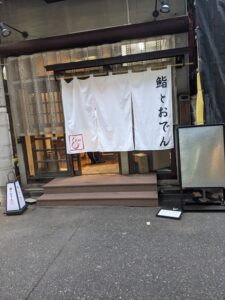
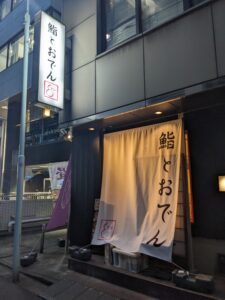
Since I wrote first this another new place has opened next door to Ningyōchō Imahan, a place that serves both sushi and oden called Sushi to Oden (鮨とおでん). And it is not the first in the neighborhood. There is another shop in Kobunechō that had slipped my mind, as well as others around Tokyo.